
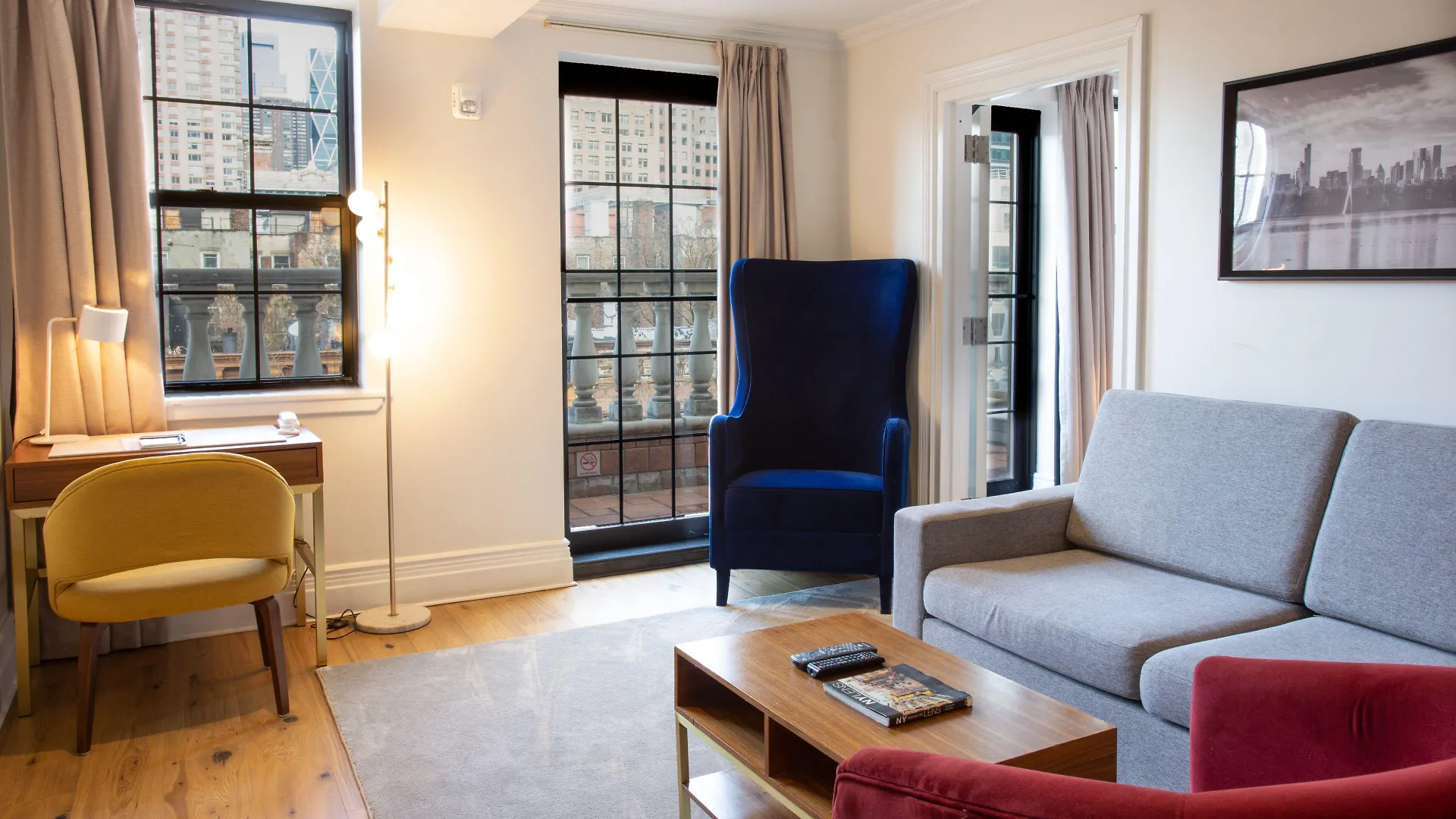
Times Square is one of the most searched hotel locations in New York City, and for good reason - staying here puts you within walking distance of Broadway, Midtown's transit hubs, and the concentrated energy of Manhattan's most iconic corridor. This guide covers seven 4-star hotels in Times Square, breaking down location advantages, room realities, and what each property actually delivers so you can book with confidence.
What It's Like Staying in Times Square
Times Square operates at full volume around the clock - digital billboards flood streets with light even at 3am, and pedestrian density on 42nd Street and 7th Avenue rarely drops below uncomfortable. Staying within two blocks of the Square means you absorb that energy constantly, which is stimulating for a short stay but exhausting over five or more nights. The upside is unbeatable transit access: the N, Q, R, W, 1, 2, 3, A, C, and E subway lines all converge within a few minutes' walk, making the rest of Manhattan genuinely easy to reach.
Travelers who prioritize Broadway shows, the Theater District, or a central Midtown base benefit most from this location. Those sensitive to noise or seeking a quieter Manhattan experience are typically better served by the Upper West Side or Gramercy.
Pros:
- Direct walking access to Broadway theaters, most under 10 minutes on foot
- More subway lines within reach than almost any other Manhattan neighborhood
- Dozens of dining options open past midnight within a 3-block radius
Cons:
- Street noise penetrates most hotel rooms, even on higher floors
- Tourist density makes simple tasks like grabbing a cab or walking a block slower than expected
- Hotel rates run significantly higher here than in comparable Midtown side-street properties
Why Choose a 4-Star Hotel in Times Square
Four-star hotels in Times Square occupy a specific market position: they deliver reliable service, fitness centers, daily housekeeping, and consistent room quality without the $700-plus nightly rates of flagship luxury properties on the same blocks. Room sizes at 4-star Times Square properties average around 250 square feet, which is standard for Midtown Manhattan but noticeably compact compared to equivalent-rated hotels in less central neighborhoods. The trade-off is direct: you pay a location premium, but you eliminate transportation costs and time spent commuting to core attractions.
What separates 4-star options here from budget properties is primarily noise mitigation (better window insulation, higher floors available), functional amenities like in-room safes, concierge services, and breakfast options - features that matter when you're spending full days on foot in the city.
Pros:
- Consistent service standards with 24-hour front desks and concierge access
- Better soundproofing and room finishes than 3-star alternatives in the same zone
- On-site restaurants and bars reduce the need to navigate crowded streets for every meal
Cons:
- Room sizes rarely exceed 280 square feet, limiting comfort for stays beyond 4 nights
- Parking costs in this zone can add around $80 per night if driving
- High occupancy periods mean limited upgrade availability even for loyalty members
Practical Booking & Area Strategy
The strongest micro-location within Times Square for 4-star hotels is the stretch between West 44th and West 48th Streets, where you get walking access to the Theater District without sitting directly on the most congested blocks of 42nd Street. Properties on 7th Avenue between these cross streets put you around 5 minutes on foot from multiple subway entrances and under 10 minutes from Penn Station, which matters if you're arriving by Amtrak or NJ Transit. Bryant Park, just east along 42nd Street, offers a quieter outdoor space that's often overlooked by first-time visitors staying in this zone.
For attractions, Times Square itself, Madame Tussauds, and the TKTS discount Broadway booth are all within a 5-minute walk. Rockefeller Center and Radio City Music Hall are reachable in under 15 minutes on foot. Book at least 6 weeks ahead for stays during New Year's Eve, Thanksgiving week, or any major Broadway opening - these periods see near-total occupancy across all 4-star inventory in the area, and rates increase sharply as the date approaches.
Best Value 4-Star Stays
These properties deliver solid 4-star fundamentals - location, amenities, and service - at price points that make them the most accessible entry points for the Times Square zone.
-
1. Hotel Scherman
Show on map


 Check-infrom 15:00 until 23:59Check-outuntil 11:00
Just a few rooms left at the best rate!
fromUS$ 99
-
2. Staypineapple, An Artful Hotel, Midtown New York
Show on map


 Check-infrom 16:00 until 23:59Check-outfrom 04:00 until 12:00
Just a few rooms left at the best rate!
fromUS$ 119
-
3. The Manhattan At Times Square Hotel
Show on map


 Check-infrom 16:00 until 23:59Check-outuntil 12:00
Just a few rooms left at the best rate!
fromUS$ 164
Best Premium 4-Star Picks
These four properties offer expanded amenities, stronger positioning, or distinctive features that justify higher rates within the Times Square 4-star tier.
-
4. Civilian Hotel
Show on map


 Check-infrom 16:00 until 23:59Check-outuntil 11:00
Hurry – almost gone at this price!
fromUS$ 184
-
5. Ac Hotel By Marriott New York Times Square
Show on map


 Check-infrom 16:00 until 23:59Check-outuntil 11:00
Hurry – almost gone at this price!
fromUS$ 134
-
6. Aka Times Square
Show on map


 Check-infrom 15:00 until 23:59Check-outuntil 11:00
Rooms filling fast – secure the best rate!
fromUS$ 235
-
7. Doubletree By Hilton New York Midtown Fifth Ave
Show on map


 Check-infrom 15:00 until 23:59Check-outuntil 12:00
Rooms filling fast – secure the best rate!
fromUS$ 171
Smart Travel & Timing Advice for Times Square
The quietest window to stay in Times Square - both in terms of crowd density and hotel pricing - falls between late January and early March, after the post-New Year's surge clears and before spring break demand begins. New Year's Eve and the week surrounding it drives rates up by around 60% compared to the same room in February, and availability across 4-star inventory typically evaporates within days of listings going live. Summer (June through August) brings heavy tourist volume but also occasional last-minute rate drops on weekdays when business travel thins out. Three to four nights is the practical sweet spot for a Times Square stay - long enough to cover Broadway, Midtown sightseeing, and a day trip to a different Manhattan neighborhood, but short enough to avoid the noise fatigue that sets in around day five.
Book at least 8 weeks ahead for any stay between late September and early January, which covers the fall theater season, Thanksgiving, and the holiday period - the three highest-demand windows for this specific location. Last-minute bookings in Times Square rarely yield savings; unlike other Manhattan neighborhoods, supply here is consistently outpaced by demand during peak periods.


