Yellowstone National Park draws around 4 million visitors annually, making gateway town lodging one of the most competitive booking environments in the American West. Hotels in and around Yellowstone fill months in advance during peak summer season, and understanding which town gives you the best access to Old Faithful, the Grand Prismatic Spring, or the Lamar Valley can make or break your trip. This guide compares 5 hotels across West Yellowstone, Gardiner, Red Lodge, and Rexburg - the four main gateway corridors - so you can book with confidence and not just availability.
What It's Like Staying Near Yellowstone National Park
Yellowstone is not a destination with urban infrastructure - there are no hotels inside the park's core managed by independent operators, meaning virtually all lodging sits in gateway towns outside the park boundaries. West Yellowstone, Montana, is the most popular entry point, sitting directly at the West Entrance and giving guests fastest access to the geyser basin and Grand Prismatic Spring. Gardiner, on the north side, is the only entrance open year-round, making it the default base for winter and shoulder-season visitors. Transport inside the park is entirely car-dependent; there is no public transit, and driving between the north and south entrances takes well over an hour under normal summer traffic conditions.
Crowd patterns are intensely seasonal: the park operates at near-full capacity from late June through August, with parking lots at major thermal features filling before 9am. Staying in a gateway town directly adjacent to your target entrance saves at least 2 hours of daily driving compared to staying in a town like Rexburg, which is positioned further south near the Idaho border. Travelers focused on wildlife watching in the Lamar Valley should specifically prioritize the Gardiner or Cooke City corridor rather than the west side.
Pros:
Year-round access via Gardiner's North Entrance, unlike most other gates that close in winter
Gateway towns like West Yellowstone place you within minutes of major thermal features
Wide range of outdoor activities - hiking, fly fishing, wildlife safaris - available directly from your hotel base
Cons:
No public transport inside the park; a rental car is non-negotiable
Summer parking at iconic sites like Old Faithful fills before 9am, requiring very early starts
Gateway towns have limited restaurant variety - dining options thin out significantly after 9pm
Why Choose a Hotel in the Yellowstone Gateway Region
Hotels in the Yellowstone gateway corridor range from basic highway-side motels to property-style inns with hot tubs, indoor pools, and mountain views - but the category gap is less about luxury and more about location logic. Hotels in West Yellowstone and Gardiner typically command a premium of around 40% over comparable properties in towns like Rexburg, primarily because proximity to the park entrance is the single most valued feature for most travelers. Room sizes in gateway towns tend to be modest - standard rooms averaging around 280 square feet - since operators know guests spend most of their time outside.
The practical trade-off is clear: paying more for a hotel adjacent to the West or North Entrance saves you fuel, reduces fatigue, and lets you enter the park at dawn before crowds build. Properties in Rexburg or Red Lodge offer more space and better value per night but add meaningful drive time to key Yellowstone attractions. Indoor pools and hot tubs are a strong differentiator at this price point, as sore muscles after full-day hikes are a predictable part of every Yellowstone trip.
Pros:
Gateway-adjacent hotels cut daily driving time substantially and reduce park-entry stress
Indoor pools and hot tubs are common even at mid-range properties, ideal after long hiking days
Free parking is standard across nearly all gateway hotels, unlike urban hotel markets
Cons:
Rooms near park entrances are smaller and more expensive relative to their amenity level
Summer availability disappears fast - last-minute bookings in West Yellowstone or Gardiner are rarely possible
Dining and grocery infrastructure in most gateway towns is limited, making meal planning essential
Practical Booking & Area Strategy for Yellowstone
West Yellowstone, Montana, is the strategic base for most first-time visitors: it sits at the West Entrance and puts you within a 10-minute drive of the Lower Geyser Basin, Midway Geyser Basin, and Old Faithful. Gardiner is the smarter pick for Lamar Valley wildlife watching or for trips in October through April, as it is the only Yellowstone entrance that stays open all year. Red Lodge, Montana, is an underrated base for travelers who want to combine Yellowstone's northeast corner with the Beartooth Highway, consistently ranked among the most scenic drives in the United States. Rexburg, Idaho, positioned south near Yellowstone Bear World and BYU-Idaho, works best as a budget stopover for travelers doing a multi-park road trip through Idaho and Wyoming rather than as a dedicated Yellowstone base.
For peak summer travel, Yellowstone-area hotels book out weeks - sometimes months - in advance; booking at least 6 weeks ahead for late June through August is not optional, it is essential. Shoulder season - late May and September - offers meaningfully lower rates and dramatically thinner crowds at signature sites like Grand Prismatic Spring and the Norris Geyser Basin, while still delivering full park access and reasonable weather. Popular activities anchored to each gateway include fly fishing on the Madison and Yellowstone Rivers, horseback riding out of Gardiner, and the Beartooth Highway scenic drive from Red Lodge.
Best Value Stays
These properties deliver strong practical value for Yellowstone-focused travelers - well-positioned for gateway access, reliable core amenities, and consistent pricing below the premium tier.
-
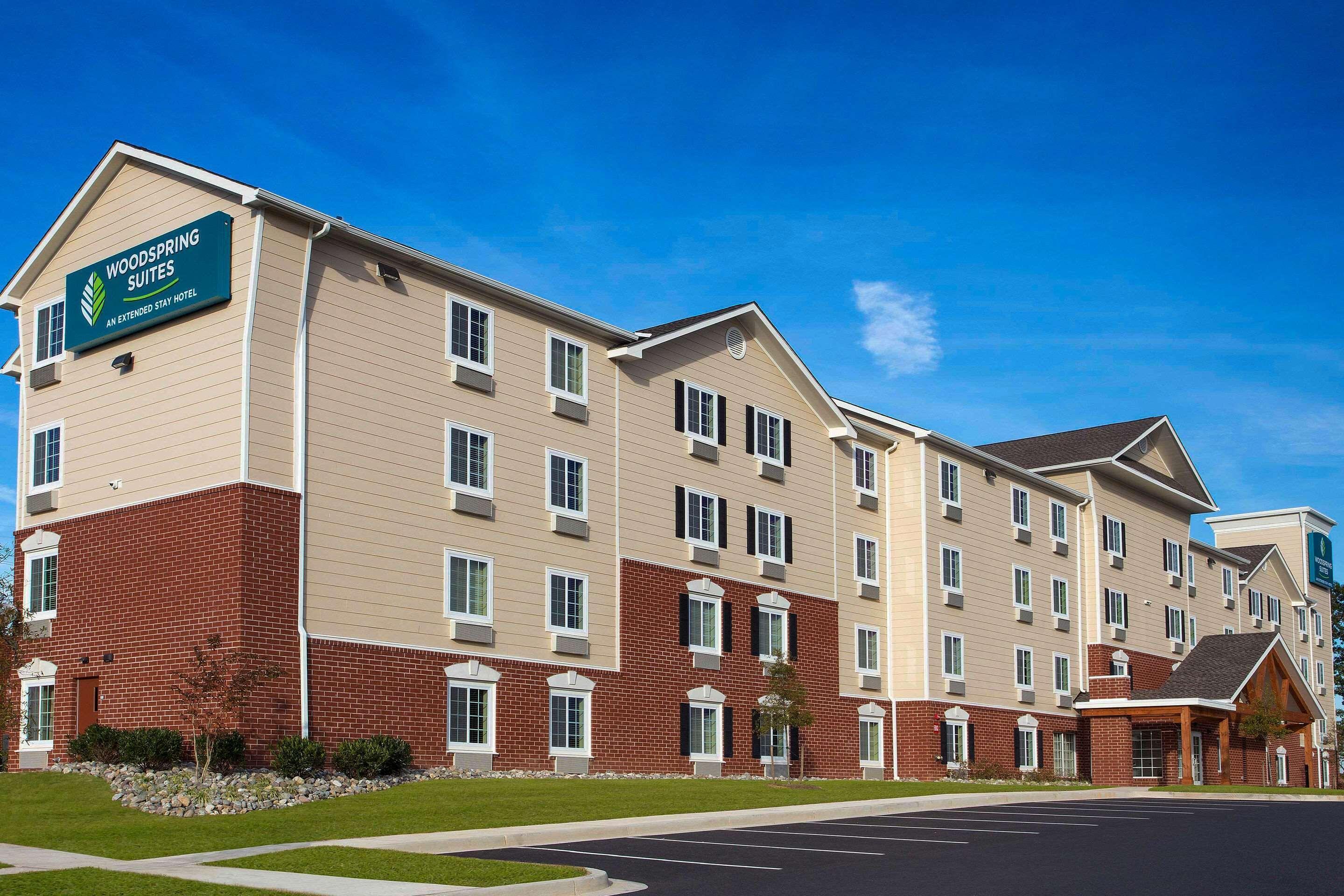
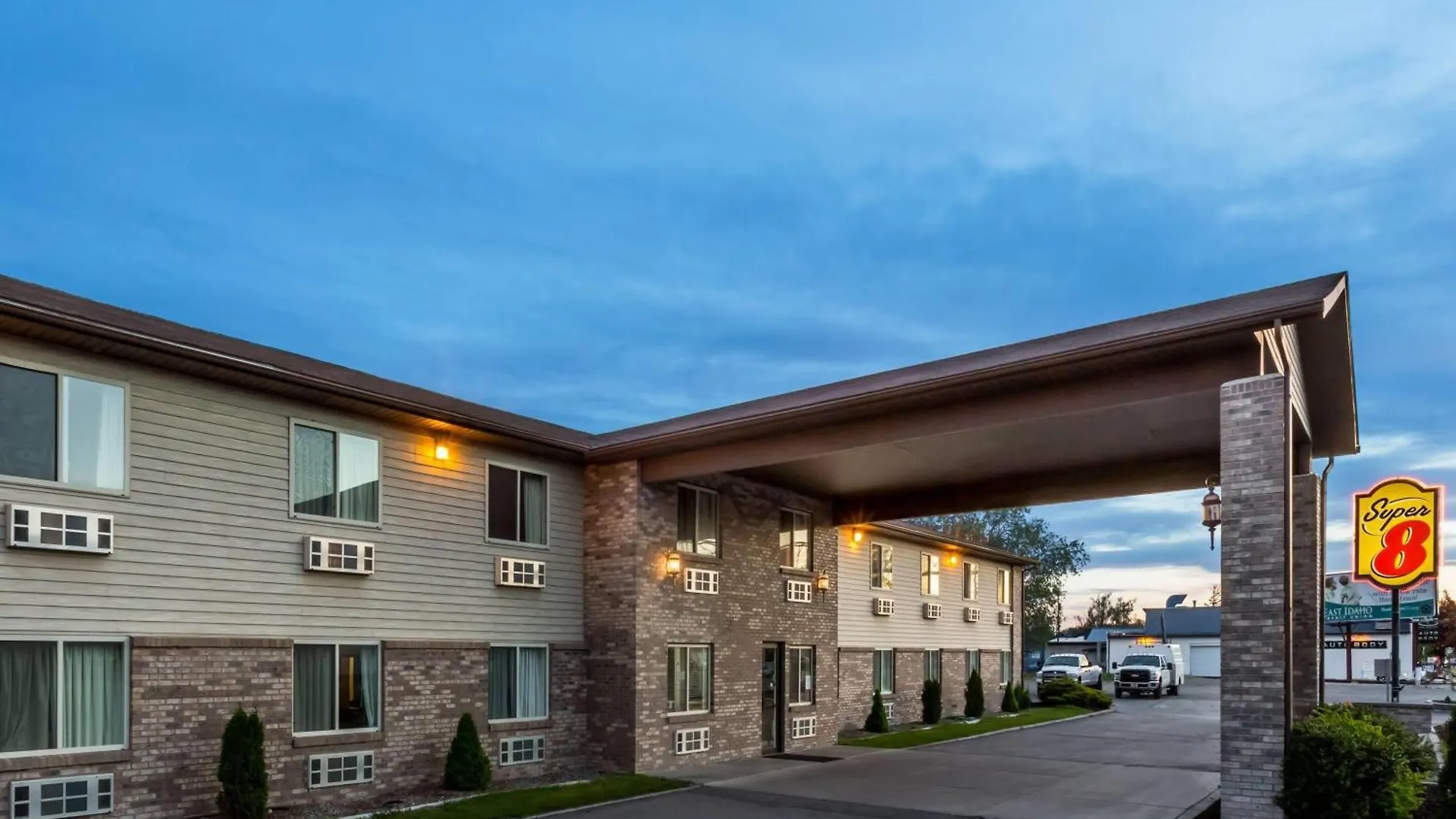
1. Super 8 By Wyndham Rexburg
Show on map


 Check-infrom 15:00 until 23:59Check-outuntil 11:00
Just a few rooms left at the best rate!
fromUS$ 94
- Show on map
Best price guarantee
-
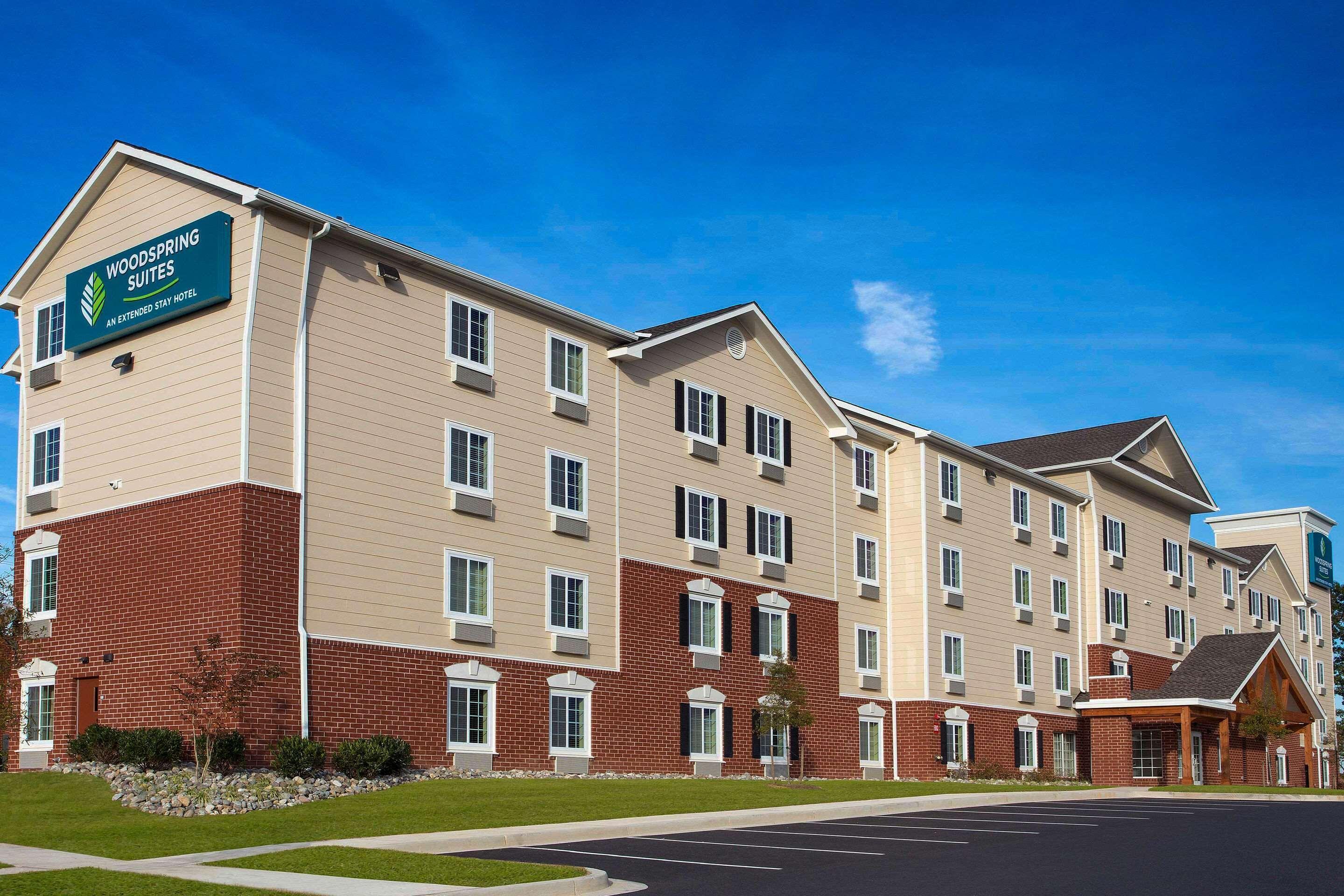
3. Yellowstone Village Inn And Suites
Show on map


 Check-infrom 16:00 until 23:30Check-outfrom 01:00 until 10:00
Just a few rooms left at the best rate!
fromUS$ 142
Best Premium Stays
These two properties offer elevated amenities, stronger recreational facilities, and locations that justify a higher nightly rate for travelers prioritizing comfort alongside park access.
-
4. Gray Wolf Inn & Suites
Show on map


 Check-infrom 16:00 until 23:59Check-outuntil 11:00
Hurry – almost gone at this price!
fromUS$ 353
-
5. Beartooth Hideaway Inn & Cabins
Show on map


 Check-infrom 15:00 until 23:59Check-outuntil 11:00
Rooms filling fast – secure the best rate!
fromUS$ 114
Smart Travel & Timing Advice for Yellowstone Hotels
July and August are the hardest months to book across all gateway towns - West Yellowstone and Gardiner properties routinely sell out 8 weeks or more in advance, and rates at peak-location hotels spike significantly. Late May offers one of the best timing windows: snowmelt has cleared most roads, newborn bison and elk calves are visible in the Lamar Valley, and hotel rates sit well below summer peaks. September is equally strong for value - crowds thin after Labor Day, temperatures are cooler for hiking, and the fall rut brings dramatic elk bugling around Mammoth Hot Springs near Gardiner.
Winter travel centered on Gardiner or the Mammoth area is a genuine niche: snowcoach and snowmobile access to Old Faithful becomes available from mid-December, and the Yellowstone Village Inn And Suites is one of very few operational hotels in the immediate park corridor during that period. A minimum of 3 nights is necessary to meaningfully cover the Grand Loop - the park's main circuit spans over 140 miles and connects all major thermal and wildlife zones. Booking refundable rates in shoulder season (May or September) and converting to non-refundable once your plans solidify is the most financially efficient strategy for this destination.